Abstract
Drug development remains one of the slowest and costliest paths in modern medicine, often taking over a decade and billions of dollars to move a single molecule from discovery to approval. High attrition rates, fragmented data systems, and complex clinical trial design continue to weigh down research and development pipelines. At the same time, genomics led platforms, AI assisted discovery tools, and precision medicine approaches are beginning to reshape how pharma and biotech teams identify targets, design trials, and validate outcomes. This blog looks at the core challenges facing drug development today and the emerging trends that are quietly changing the pace and precision of pharmaceutical research.
Why Drug Development Still Moves So Slowly
Bringing a new drug to market is not a single step but a long chain of interconnected stages, from early target identification through preclinical testing, multiple phases of clinical trials, and regulatory review. Each stage carries its own scientific, operational, and financial risk, and a failure at any point can send years of work back to the drawing board.
The Cost and Time Burden
Pharmaceutical research organisations routinely report development timelines stretching beyond ten years, with costs that can run into billions per approved therapy. Much of this expense is not tied to the science itself but to the volume of failed candidates that never reach patients. Late stage failures are particularly expensive because they occur after significant clinical investment has already been made.
Fragmented and Siloed Data
Genomic, clinical, and multi omic datasets are often scattered across different systems that do not communicate well with each other. Research teams frequently spend more time reconciling and interpreting data than acting on it, which slows down decision making at exactly the stages where speed matters most.
Key Challenges Facing Drug Development Today
Complex and Costly Clinical Trials
Clinical trials are becoming more scientifically ambitious, but also more difficult to run. Recruiting the right patient cohorts, especially for rare diseases or genetically defined subpopulations, remains a persistent bottleneck. Poor patient stratification can weaken trial outcomes even when the underlying science is sound.
Limited Translational Visibility
Moving a promising biomarker from a lab finding into something clinically actionable requires validation, review, and cross functional alignment between research and clinical teams. Many organisations struggle with this handoff, which limits how quickly early discoveries reach patients.
Regulatory and Explainability Demands
As AI assisted tools become more common in pharmaceutical research, regulators increasingly expect transparency around how conclusions are reached. Black box outputs are harder to defend during audits and regulatory review, making explainability a growing requirement rather than a nice to have.
Future Trends Reshaping Drug Development
AI in Drug Discovery
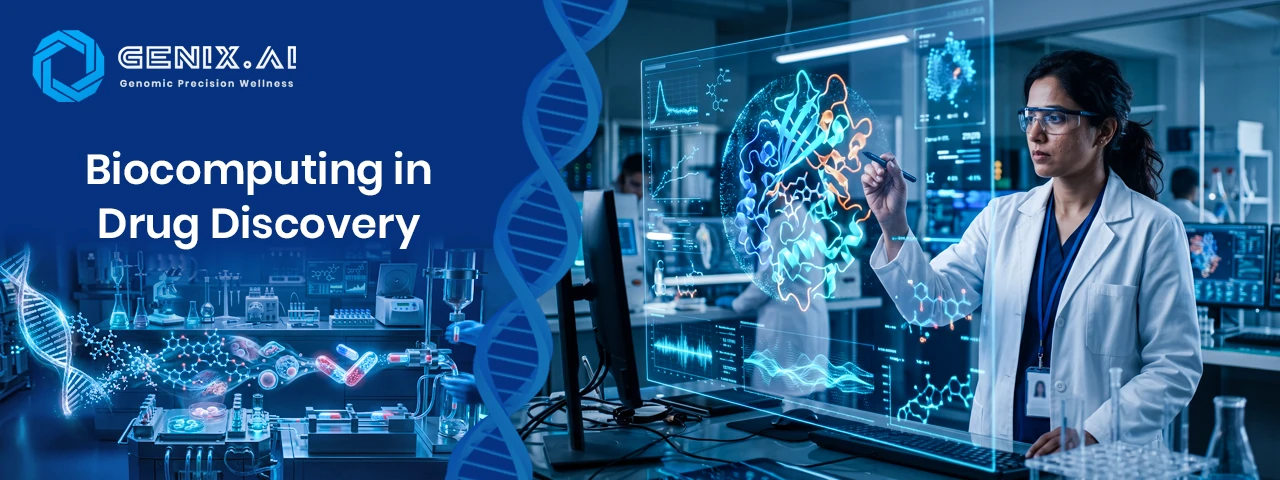
Artificial intelligence is increasingly used to prioritise drug targets, model molecular interactions,and shorten the early discovery phase. Rather than replacing scientific judgment, well designed AI tools are helping research teams filter through large genomic and chemical datasets faster, so human expertise can focus on the most promising candidates.
Precision Medicine and Genomic Stratification
Precision medicine is shifting drug development away from a one size fits all model. By using genotype and phenotype data to identify which patients are most likely to respond to a therapy, research teams can design smaller, more targeted trials that produce clearer signals with fewer participants.
Smarter, More Adaptive Clinical Trials
Adaptive trial designs, better cohort selection, and genomics informed patient stratification are helping trials become more efficient without compromising scientific rigor. This is particularly valuable for rare disease research, where patient populations are naturally limited.
Explainable and Auditable AI Workflows
The next phase of AI in pharmaceutical research is not just about speed, but about trust. Reproducible pipelines, version controlled workflows, and clear separation between AI generated suggestions and expert reviewed conclusions are becoming standard expectations across regulated research environments.
Looking Ahead
The pharmaceutical industry is unlikely to see drug development timelines shrink overnight, but the direction of change is clear. Genomics led platforms, more precise patient stratification, and explainable AI workflows are gradually replacing slower, less connected research processes. Organisations that invest early in structured, transparent genomic intelligence are likely to be better positioned as regulatory expectations and scientific complexity continue to grow.
This is the kind of translational, evidence backed approach that platforms like Genix.ai are built around, helping pharma and biotech teams connect genomic data, biomarker discovery, and clinical evidence into a more explainable, decision ready research process.
FAQs
1. Why does drug development take so long?
Because each stage, from target discovery to regulatory approval, carries scientific and operational risk that can cause delays or restarts.
2. How is AI changing drug discovery?
AI helps research teams filter large genomic and chemical datasets faster to prioritise the most promising drug candidates.
3. What role does precision medicine play in drug development?
It allows trials to target patients most likely to respond, improving trial efficiency and outcome clarity.
4. Why are clinical trials considered a major bottleneck?
Recruiting the right patient cohorts, especially for rare or genetically defined populations, remains difficult and time consuming.
5. Why does explainability matter in AI driven pharmaceutical research?
Regulators and researchers need traceable, auditable reasoning behind AI outputs, not black box conclusions.