Abstract
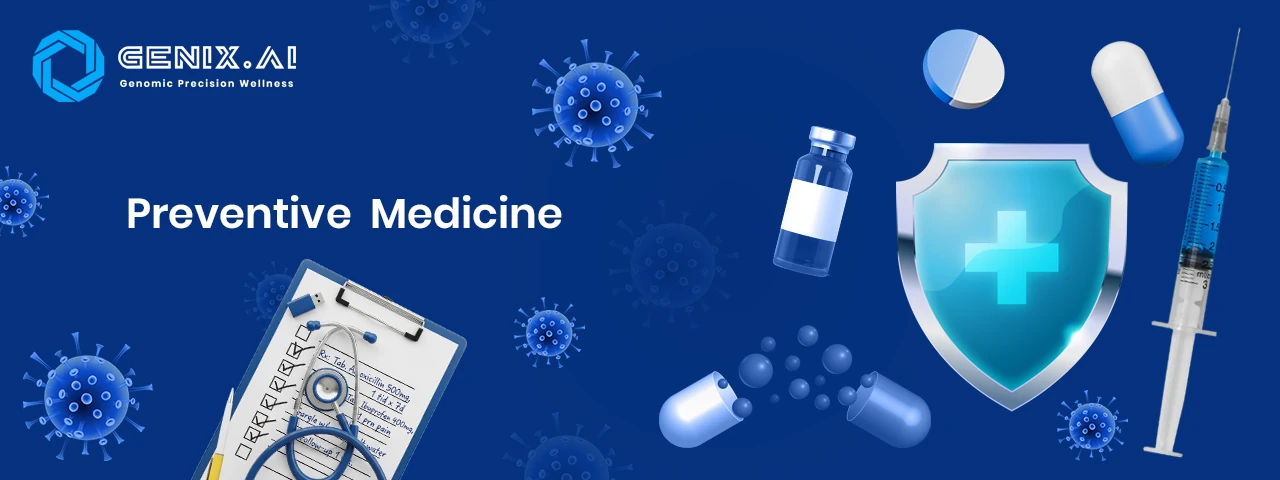
Most people think about health only when something goes wrong. A persistent cough leads to a clinic visit. Chest discomfort triggers an ECG. Fatigue that will not go away eventually becomes a blood test. This reactive pattern is deeply familiar, yet it leaves a significant gap in how people manage their long-term wellbeing. Preventive medicine addresses that gap directly. It is a field of healthcare focused entirely on stopping illness before it starts, detecting it early when treatment is most effective, and reducing the burden of disease through sustained, informed lifestyle choices. This blog explains what preventive medicine actually means, how it works at different stages of life, and why the future of prevention is becoming more personal and more precise than ever before.
What Preventive Medicine Really Means
Preventive medicine is the branch of healthcare that shifts the focus from treating disease to avoiding it altogether. Instead of waiting for symptoms to appear and then responding, it looks upstream at the conditions that make illness more likely in the first place. Family history, lifestyle choices, environmental factors, and biological markers are all part of the picture.
The philosophy behind it is straightforward. A person who identifies high blood pressure before it causes a stroke has a far better outcome than someone who discovers it during emergency care. A woman who learns she carries a hereditary cancer risk can start screening years earlier than she otherwise would. Prevention is not about eliminating every health risk since that is not possible. It is about giving people the awareness and tools to reduce the risks that are within their control, and to prepare for the ones that are not.
This is why preventive medicine is not limited to doctors or clinics. It reaches into everyday decisions about food, sleep, physical activity, stress management, and how often people get themselves checked. It is a practice as much as a medical discipline.
The Three Levels of Preventive Medicine
Preventive medicine is organised into three distinct levels, each addressing a different stage in the relationship between a person and potential illness.
Primary Prevention
Primary prevention is the most foundational level. Its aim is to stop disease from developing at all by removing or reducing the conditions that allow it to take hold. Vaccination is one of the clearest examples. A child vaccinated against measles cannot develop the disease. A person who quits smoking permanently eliminates a major risk factor for lung disease, cardiovascular problems, and several cancers. Choosing a balanced diet, staying physically active, maintaining a healthy weight, and avoiding excessive alcohol all fall within this level of prevention.
Primary prevention does not require any existing diagnosis. It is the layer of health protection that everyone benefits from, at every age, regardless of current health status.
Secondary Prevention
Secondary prevention operates one step later. It does not prevent disease from forming, but it aims to catch it at the earliest possible stage, before it produces noticeable symptoms or causes lasting damage. This level depends heavily on screenings and health checks.Nutrigenomics research increasingly shows that the ideal composition of such a diet may vary meaningfully between individuals, based on how their body processes different nutrients at a genetic level.
Physical activity at consistent moderate levels reduces the risk of type 2 diabetes, heart disease, certain cancers, depression, and cognitive decline. Sleep quality affects immune function, hormonal balance, mood regulation, and metabolic health in ways that are only becoming clearer as research continues. Stress management, social connection, and limiting harmful habits such as tobacco and excessive alcohol complete the picture of what everyday prevention actually looks like in practice.
None of these require dramatic transformation. Preventive medicine at the lifestyle level is more about consistency over years than perfection in any single day.
The Role of Awareness in Prevention
Awareness is the starting point for almost every preventive action a person takes. People do not get screened for conditions they have not heard of. They do not modify their diet for risks they are unaware of. They do not seek genetic counselling for inherited conditions they do not know run in their family.
This is why the education dimension of preventive medicine matters so much. When someone understands that high blood pressure rarely produces symptoms until significant damage has occurred, they are far more likely to get it checked. When someone knows that their mother's breast cancer history is clinically relevant to their own screening schedule, they are more likely to begin screening earlier.
Health literacy, the ability to understand and act on health information, is one of the strongest predictors of how well individuals engage with preventive care. Improving it across populations has genuine consequences for how much of the burden of chronic and hereditary disease can be reduced over time.
Conclusion
Preventive medicine is ultimately about giving people the opportunity to influence their health before circumstances force their hand. It works across every stage of life, through primary protection, early detection, and ongoing management. Its foundation is awareness, sustained by lifestyle choices and supported by the growing precision of health science.
As genomic knowledge becomes more accessible, prevention is becoming increasingly personal. Understanding one's own biological tendencies, whether through family history, clinical screenings, or DNA-based health insights, changes what prevention looks like in practice. It moves from broad advice designed for populations toward guidance shaped by the individual.
Genix.ai is part of this shift, offering DNA-based health insights that help individuals understand their inherited tendencies and make more informed decisions about their long-term wellbeing, well before any symptoms appear.
Frequently Asked Questions
1. What is the main goal of preventive medicine?
To protect health by stopping disease before it starts or catching it early enough for effective treatment.
2. Who benefits from preventive medicine?
Everyone benefits, from newborns through older adults, at every stage of life.
3. What is the difference between primary and secondary prevention?
Primary prevention removes risk before disease begins, while secondary prevention detects it before symptoms appear.
4. Can lifestyle changes actually prevent disease?
Yes, consistent habits around diet, activity, sleep, and stress have a well-documented impact on reducing chronic disease risk.
5. How does genetics relate to preventive medicine?
Inherited biological tendencies can influence individual disease risk, making genetic insight a valuable tool for more personalised preventive care.