Abstract
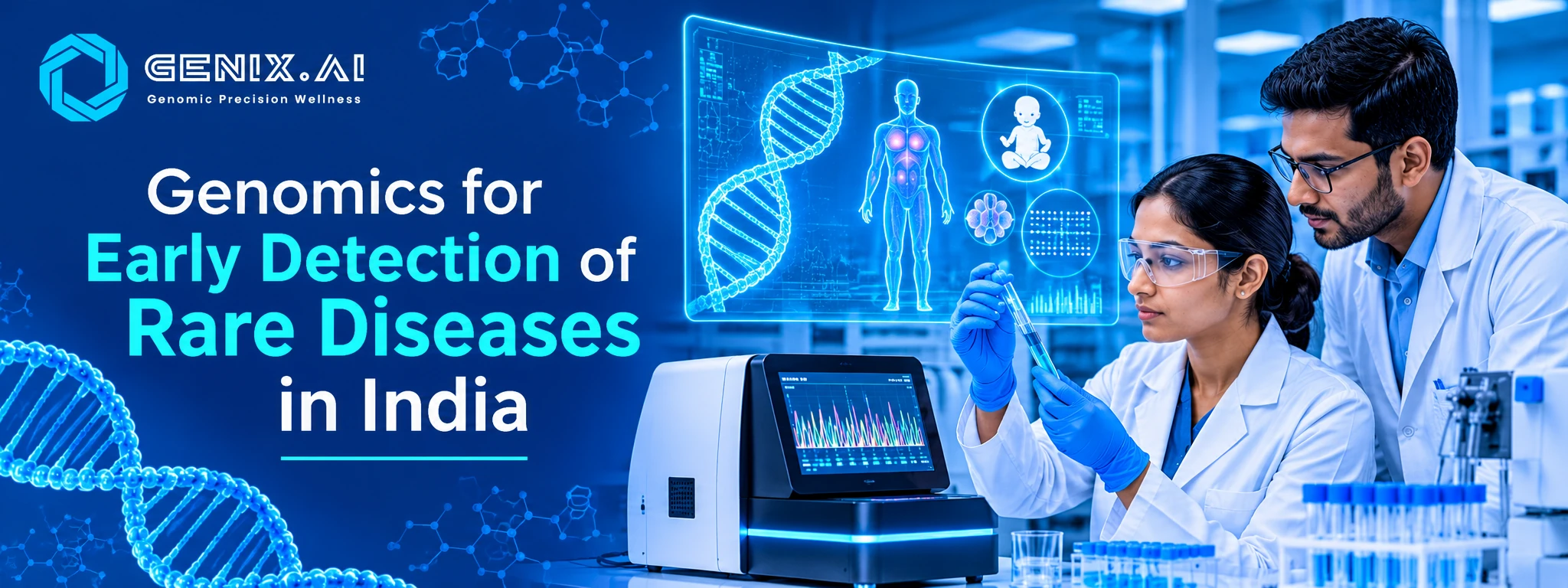
Picture a family going from one specialist to the next for years while nobody can say what is wrong with their child. For many people living with a rare disease, that is simply how it goes. Genomic sequencing is starting to change it by reading the genetic code directly instead of guessing from symptoms. This article walks through how the process works, what it can and cannot tell you, and why the analysis behind the sequencer matters as much as the machine itself.
Why Rare Diseases Are So Hard to Pin Down
1. Small Numbers, Big Impact
Each rare disease affects few people, but together they reach a lot of them. Around 7,000 rare diseases have been described, and roughly eight in ten have a genetic cause. Many begin in childhood, which makes a late answer especially costly.
2. The Diagnostic Odyssey
Families often wait four to five years for a diagnosis, a figure widely quoted by rare disease groups. Symptoms overlap, a single doctor may meet only one such case in a career, and older tests check one possibility at a time. Our article on the diagnostic odyssey and whole genome sequencing looks at that wait more closely.
How Genomic Sequencing Changes the Picture
1. Reading the Whole Code at Once
Instead of testing one suspected gene, genomic sequencing reads thousands of genes together. The Human Genome Project finished its reference genome in 2003 after years of work and billions of dollars. Today a genome can be read for a small fraction of that, which is why the technology has moved from research labs into clinics. If you want the basics first, start with what next generation DNA sequencing is.
2. What the Numbers Suggest
Studies commonly report that exome or genome sequencing reaches a diagnosis in roughly a quarter to 40 percent of patients who had no answer before, depending on the group studied. So most cases stay open, but that is a real gain over the old route. Even a negative result helps, because it rules things out and can be revisited as new gene discoveries arrive.
From Raw Reads to a Usable Answer
1. The Workflow in Plain Steps
A sequencer produces data, not a diagnosis. A single genome carries millions of variants and almost all of them are harmless. The real work is finding the one or two that explain the illness.
Sample collected => Sequencing => Quality check and alignment =>Variant calling => Annotation and filtering => Specialist review and clinical reportThe middle stages follow the same path described on the next generation sequencing analysis page, which lays out a validated workflow from quality control through annotation. For a deeper read on the whole genome route, see our WGS analysis guide.
2. Where Interpretation Gets Tricky
Many variants come back labelled uncertain, meaning science cannot yet say whether they cause disease. Frequency in the general population helps sort them, since a change that is common in healthy people is rarely the culprit. The catch is that many reference databases lean toward European ancestry, so families from South Asia can face more uncertain results. Local reference data narrows that gap, and it is one reason population aware platforms built around genomic intelligence matter.
A Case Study That Changed Minds
One Boy and One Gene
In 2009 doctors in Wisconsin sequenced the exome of a young boy named Nic Volker. A severe gut disease had defied diagnosis despite many surgeries. The result pointed to a fault in a gene called XIAP, and that finding led his team to try a stem cell transplant. It helped, and the case became one of the best known early examples of sequencing guiding treatment. The tools were slower then, but the lesson holds. A precise answer can redirect care.
From Diagnosis to Treatment
1. What Changes After the Answer
A genetic diagnosis can end repeated testing and spare a child treatments that will not work. It can point to a drug that already exists or support a transplant decision. It also lets relatives be tested, which matters for family planning. A small but growing number of conditions now have gene based or targeted therapies, though most still do not.
2. The Limits Worth Knowing
Sequencing is a tool and not a verdict. Results need review by a clinician who knows the patient, and some findings turn out uncertain or unexpected. Privacy also deserves attention, since genetic data is personal and shared with relatives. For families in India, our overview of the rare disease burden and genomic intelligence adds useful background.
Conclusion
Genomic sequencing will not solve every rare disease, but it shortens the road to an answer for many families. Genix.ai supports that road in practical ways. Its NGS data analysis service takes WGS and WES files through variant calling and annotation against ClinVar and gnomAD, then applies ACMG classification, with turnaround listed from three to seven days across assays. Its clinical genomics platform is aimed at hospitals and labs, and the site notes South Asian population frequency integration. For individuals, a rare genetic disorder screening panel covers more than 750 conditions, though it screens and does not diagnose. Hospital teams can explore the Hospitals and Health Systems solution or request a demo.
FAQ's
1. What is genomic sequencing?
It reads a person’s DNA to find changes that may cause disease.
2. How often do rare diseases have a genetic cause?
Roughly eight in ten rare diseases are thought to have a genetic cause.
3. Does a negative result mean there is no genetic disease?
No, it may mean the cause is not yet known or was missed by that type of test.
4. Is a sequencing result the same as a diagnosis?
No, a clinician must review it alongside symptoms and family history.
5. Should I choose exome or genome sequencing?
Your doctor or genetic counsellor can advise, since it depends on the clinical question.