Abstract
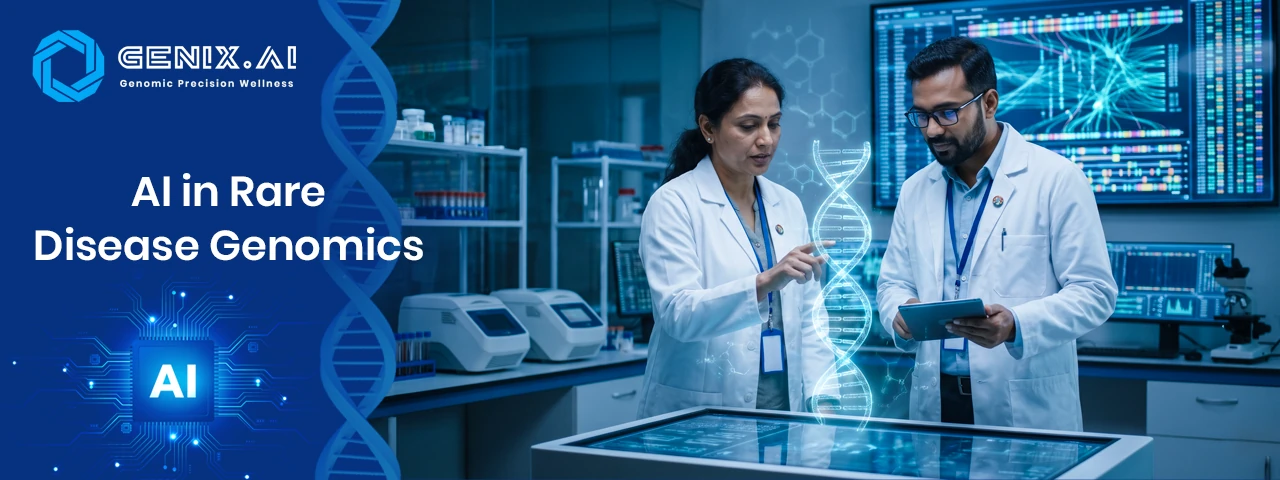
Healthcare is moving away from one size fits all treatment toward care that is built around a person's own biology. Clinical genomics sits at the center of this shift, using DNA sequencing and genomic testing to uncover the genetic factors behind disease risk, drug response, and diagnosis. This blog looks at how genomic medicine is reshaping the patient journey, why precision medicine is gaining ground across specialties, and what this means for the future of personalized treatment.
What Is Clinical Genomics and Why Does It Matter Now
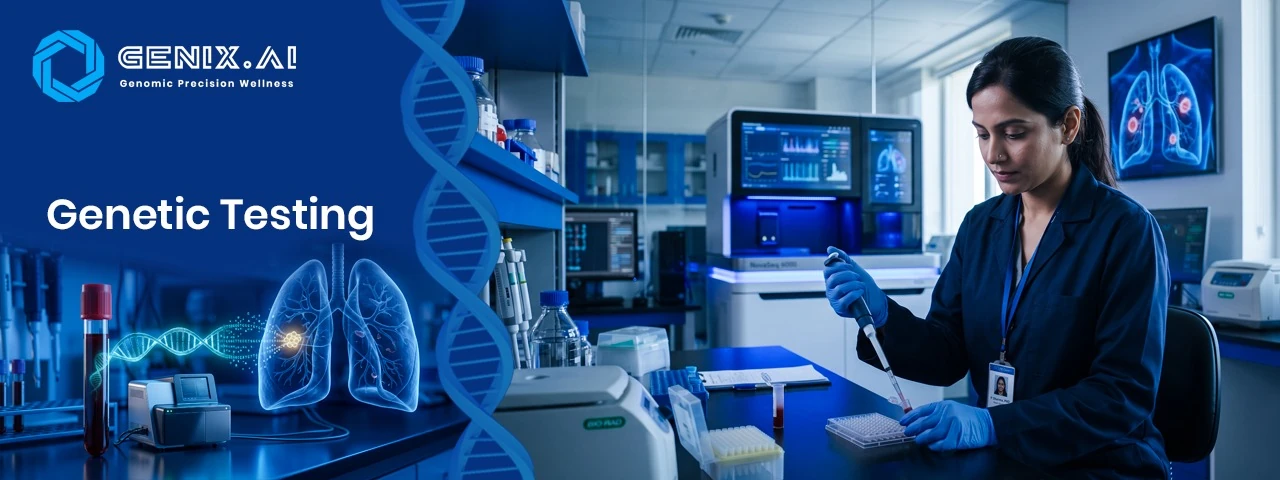
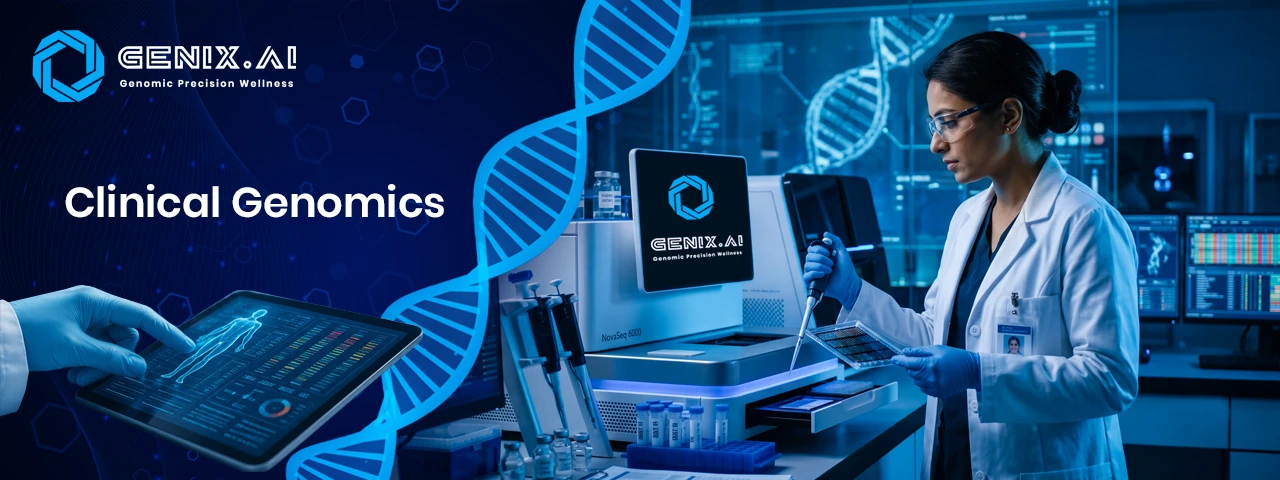
Clinical genomics is the practice of analyzing a person's genetic material to guide medical decisions. Rather than relying only on symptoms and family history, doctors can now look directly at a patient's DNA to understand what is happening at a molecular level. This has become possible largely because DNA sequencing has become faster, cheaper, and more accurate over the past decade.
What used to take years and cost enormous sums can now be done in days, sometimes hours, at a fraction of the price. That accessibility is a major reason clinical genomics has moved from research labs into everyday hospitals and clinics. Doctors are no longer waiting on academic studies alone. They are using genomic data as a routine part of diagnosis and treatment planning.
From Population Averages to Individual Biology
Traditional medicine has often treated patients as part of a larger group, prescribing the same drug at the same dose to everyone with a given condition. Clinical genomics changes that starting point. It allows care teams to see the differences between patients that symptoms alone cannot reveal, such as why one person responds well to a medication while another experiences side effects or no benefit at all.
How Genomic Testing Is Changing Diagnosis and Treatment
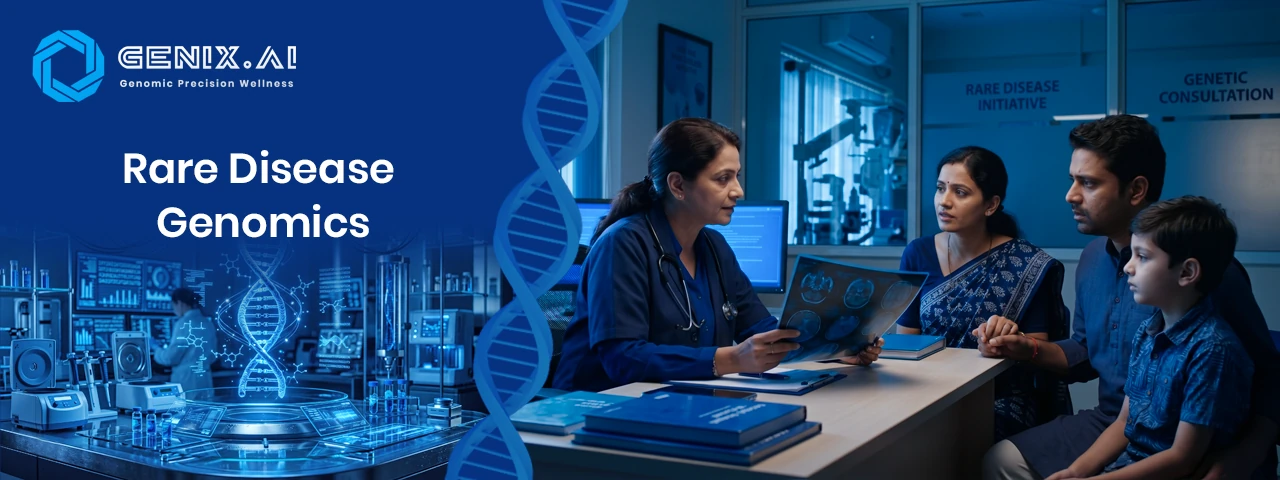
Genomic testing is now used across a wide range of medical fields, not just rare disease diagnosis. In oncology, tumor profiling helps identify which mutations are driving a specific cancer, allowing oncologists to match patients with targeted therapies instead of broad chemotherapy regimens. In cardiology, genetic testing can flag inherited heart conditions before symptoms ever appear. In pediatrics, it can shorten the diagnostic journey for children with unexplained developmental or metabolic conditions, a process that historically took years and multiple specialists.
Pharmacogenomics and Safer Prescribing
One of the most practical applications of genomic medicine is pharmacogenomics, the study of how genes affect a person's response to drugs. A single genetic variant can determine whether a standard dose of a medication is effective, ineffective, or even dangerous for a particular patient. By testing for these variants ahead of time, clinicians can avoid trial and error prescribing and reduce the risk of adverse drug reactions.
Early Detection and Preventive Care
Genomic testing is also playing a growing role in prevention. Identifying inherited risk factors for conditions like certain cancers or cardiovascular disease gives patients and doctors a chance to act before disease develops, through closer monitoring, lifestyle changes, or early intervention. This shift toward proactive care is one of the clearest signs of how personalized healthcare is evolving.
The Role of Precision Medicine in Everyday Clinical Practice
Precision medicine is often described as the broader philosophy that clinical genomics helps put into practice. It is the idea that treatment should be tailored to the individual characteristics of each patient, including their genetic makeup, environment, and lifestyle. This is a significant departure from the traditional model of standardized treatment protocols.
In practice, this means care teams increasingly integrate genomic data alongside clinical history, imaging, and lab results to build a more complete picture of a patient's health. It also means treatment plans can be adjusted over time as more genomic information becomes available, rather than staying fixed from the point of diagnosis.
Challenges That Still Need to Be Addressed
Despite the progress, clinical genomics faces real challenges. Interpreting genomic data requires specialized expertise that is not yet available everywhere. Cost and insurance coverage still vary widely, which can limit access for some patients. There are also important questions around data privacy and how genetic information is stored, shared, and protected. Addressing these issues will be essential for genomic medicine to reach its full potential across different populations and healthcare systems.
What the Future Looks Like
As sequencing technology continues to improve and costs continue to fall, genomic testing is likely to become a standard part of routine healthcare rather than something reserved for complex or rare cases. Combined with advances in data analysis, this could mean earlier diagnoses, more effective treatments, and fewer trial and error approaches to care.
Conclusion
Clinical genomics is fundamentally changing how healthcare is delivered, moving the industry away from broad, generalized treatment and toward care built around each patient's unique genetic profile. From earlier diagnosis to safer prescribing and more effective treatment planning, the impact of genomic medicine is already visible across specialties, and its role in personalized healthcare will only continue to grow. Platforms like Genix.ai are part of this shift, supporting the kind of genomic insight that makes truly personalized care possible.
5 FAQs
1. What is clinical genomics?
It is the use of a patient's genetic information to guide diagnosis, treatment, and prevention.
2. How is genomic testing different from regular medical tests?
It looks directly at DNA to identify genetic causes or risk factors rather than just symptoms.
3. Is genomic testing only for cancer patients?
No, it is used across oncology, cardiology, pediatrics, and preventive care.
4. What is pharmacogenomics?
It is the study of how a person's genes affect their response to specific medications.
5. Is clinical genomics widely available yet?
Access is growing but still varies by region, cost, and healthcare system.