Abstract
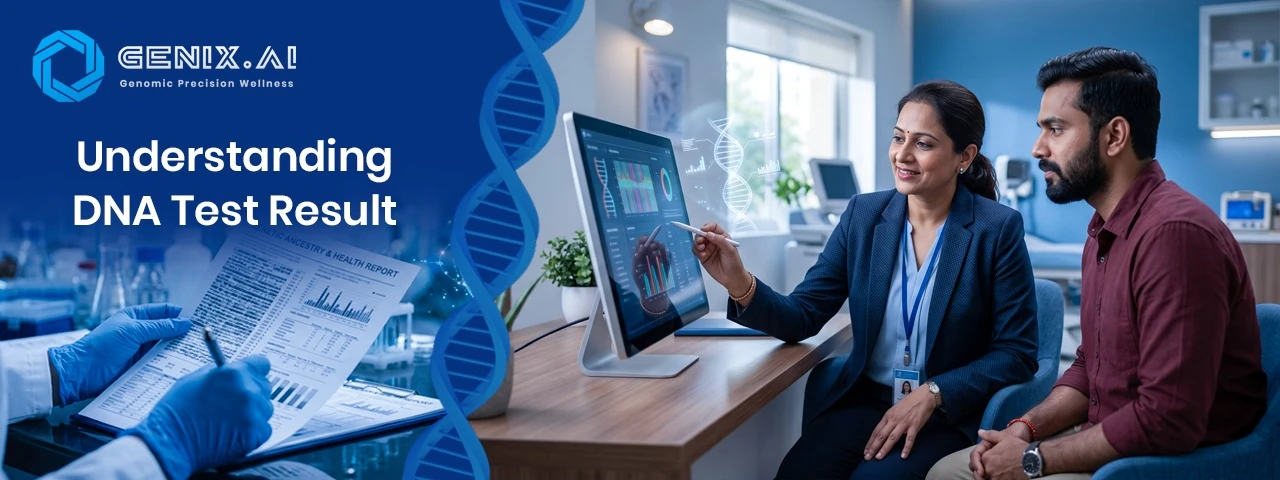
Most people only think about their health after something goes wrong. A diagnosis arrives, a symptom persists, or a family member falls ill, and suddenly questions come flooding in about whether you might be next. The truth is that many of the most serious health conditions we face are not random. They follow patterns written into our biology long before any symptom appears. DNA testing is changing how we understand those patterns. By looking directly at the genetic information we carry, it is now possible to identify inherited tendencies toward certain diseases and use that knowledge to make smarter, earlier, and more personalized health decisions. This article explains how that process works and why it matters for ordinary people.
What Does a DNA Test Actually Reveal About Your Health?
Every cell in your body carries a complete copy of your DNA, which contains around three billion base pairs of genetic code. Within that code are genes that influence how your body functions, including how it processes food, responds to stress, regulates hormones, and resists or develops disease. A DNA health test reads specific sections of that code and compares your genetic variants to known patterns associated with health outcomes.
The key point is that DNA is stable. Unlike a blood test that reflects your health today, your genetic code reflects tendencies that have been present since birth and will remain the same throughout your life. That stability makes DNA testing uniquely valuable for long term health planning.
The Difference Between Hereditary and Genetic Risk
People often use the terms hereditary and genetic interchangeably, but there is a meaningful distinction.
A hereditary disease is one that can be passed from a parent to a child through specific gene mutations. These include conditions like sickle cell disease, cystic fibrosis, BRCA related cancers, Huntington's disease, and familial hypercholesterolemia. If you carry a mutation in the relevant gene, there is a defined probability that your children could inherit it.
Genetic risk is a broader concept. It refers to the combined influence of multiple gene variants on your likelihood of developing a condition, even one that does not follow a simple inheritance pattern. Conditions like type 2 diabetes, hypertension, heart disease, and certain cancers carry genetic risk components that interact with lifestyle factors over time.
Predictive genetic testing can identify both types of risk, giving you and your healthcare provider a much clearer picture of what to monitor and what to act on early.
How Predictive Genetic Testing Works in Practice
Carrier Screening and Family Planning
One of the most established uses of genetic screening is carrier testing for couples who are planning a family. Many inherited diseases require both parents to carry a copy of a faulty gene before a child is at risk of being affected. A parent who carries one copy is typically healthy but can pass the mutation to their children.
Carrier screening allows couples to understand their carrier status before conception or during early pregnancy. This information supports more informed reproductive decisions and, in some cases, allows for earlier intervention if a child is born with or at risk of an inherited condition.
Identifying Predispositions to Chronic and Serious Conditions
Beyond reproductive health, predictive genetic testing can reveal elevated risk for a wide range of serious conditions. These include hereditary forms of breast and ovarian cancer linked to BRCA1 and BRCA2 gene variants, Lynch syndrome which increases colorectal cancer risk, hereditary cardiac conditions, neurological disorders, rare metabolic diseases, and autoimmune tendencies.
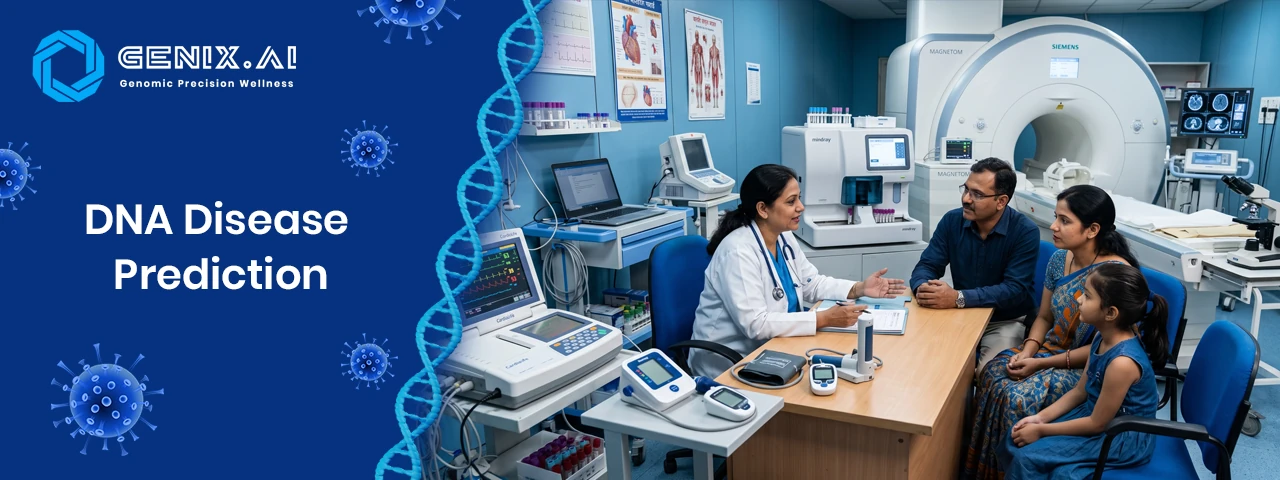
Understanding your genetic predisposition does not mean a disease is inevitable. It means you have the knowledge to act with greater intention. Someone who learns they carry a BRCA mutation, for example, can discuss enhanced screening protocols, preventive option and lifestyle modifications with their doctor well before any diagnosis would ordinarily arise.
You can explore this in more detail in the guide on understanding your genetic risk for common cancers.
Pharmacogenomics and Medication Response
One area of genetic testing that often surprises people is pharmacogenomics, which studies how your genes influence how you respond to medications. The same drug given to two people with the same diagnosis can produce very different results. One person may respond well while another experiences serious side effects or no benefit at all.
Genetic variants can affect how quickly your body metabolizes a drug, whether it reaches therapeutic levels, and how your system reacts to it. Testing in this area helps clinicians select medications and dosages that are matched to your biology rather than relying on trial and error.
This is explored further in how pharmacogenomics prevents drug side effects.
Personalized Healthcare Starts with Understanding Your Genes
Nutrition and Metabolism
Nutrigenomics is the study of how your DNA influences your response to food. Why does one person lose weight easily on a low carbohydrate diet while another struggles? Why do some people develop vitamin deficiencies despite eating a balanced diet? Genetic variants affecting metabolism, nutrient absorption, and lipid processing play a significant role. Understanding how your DNA can guide your ideal diet is now possible through specialized genetic testing.
Fitness and Physical Response
Your genes also influence how your body performs under physical stress, recovers from training, and responds to different types of exercise. Variants related to muscle fiber composition, oxygen efficiency, inflammation response, and injury susceptibility all have implications for how you should train and recover.Fitness genomics is giving individuals a way to optimize their physical routines with biological accuracy rather than guesswork.
Mental Health and Cognitive Tendencies
Emerging research continues to identify genetic markers associated with stress response, sleep architecture, and predisposition to certain mood related conditions. While no single gene determines mental health outcomes, understanding these tendencies can support earlier and more targeted care.DNA and sleep patterns are now better understood through genomic research, offering new explanations for long standing personal challenges.
The Role of Family Health History in Genetic Risk Assessment
Your family health history is one of the most underutilized tools in medicine. Patterns of disease across generations carry information about shared genetic variants that may be relevant to your own health. Conditions that appear repeatedly across parents, siblings, and grandparents deserve attention even when your own results appear normal.
Genetic testing adds precision to what family history can only hint at. Where a family pattern suggests risk, a DNA test can confirm or clarify whether specific variants are present and at what level. This combination of personal history and genomic data gives clinicians a far stronger basis for preventive planning.
Conclusion
Our health is shaped by a combination of the genes we inherit and the choices we make throughout our lives. Predictive genetic testing makes it possible to understand the inherited part of that equation with a clarity that was not available to previous generations. Whether the goal is understanding hereditary disease risk, planning a family with greater confidence, optimizing nutrition and fitness, or ensuring medications work as intended, DNA based insights give people a meaningful head start.
Genix.ai offers a range of specialized DNA health reports designed to bring these insights into everyday health decisions, covering hereditary risk screening, preventive genomics, nutrigenomics, pharmacogenomics, rare disease panels, and more through an athome saliva based testing experience.
Frequently Asked Questions
1. What is predictive genetic testing and how is it different from a regular health test?
Predictive genetic testing examines your DNA to identify inherited tendencies toward diseases before symptoms appear, while regular tests measure your current biological state.
2. Can a DNA test tell me if I will definitely develop a hereditary disease?
No, a DNA test identifies risk and predisposition, not certainty, as lifestyle and environment also play a significant role in disease development.
3. Is genetic screening only useful for people with a known family history of disease?
No, many people without obvious family history still carry relevant genetic variants, making screening valuable even when no prior diagnosis exists in the family.
4. How is personalized healthcare different from standard medicine?
Personalized healthcare uses your individual genetic and biological data to tailor nutrition, fitness, medication, and preventive care to your specific profile rather than general population averages.
5. Is DNA testing safe and private?
Yes, reputable providers use secure data handling practices to protect genetic information, and the sample collection process is non invasive and designed for safe at home use.