Hair concerns rarely have one simple cause. In India, heat, humidity, hard water, oiling habits, colouring, stress and hormonal changes can all affect how hair looks and sheds. Genetics adds another layer. It does not replace a dermatologist, but it can show why your scalp and strands behave in a certain way.
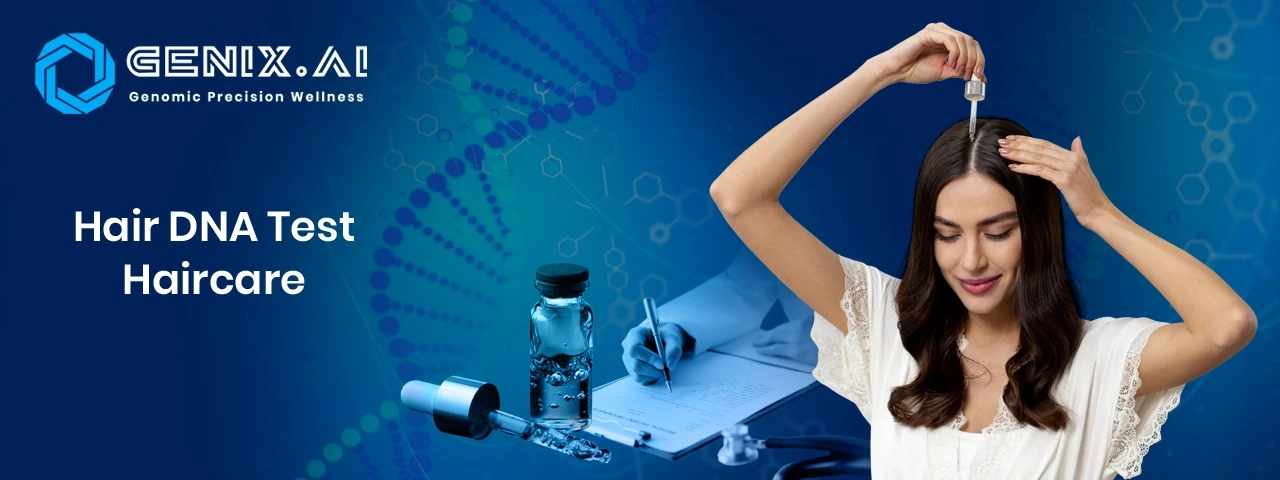
A DNA hair test looks at inherited markers linked to traits such as hair fall tendency, fibre shape, scalp sensitivity, greying, antioxidant response and nutrient needs. The value lies in using that information sensibly over time, not in expecting a miracle routine.
Abstract
Hair concerns rarely come from one single cause. Heat, humidity, hard water, oiling habits, colouring, stress and hormonal shifts all play a part, and genetics adds one more layer underneath all of it. A hair DNA test looks at inherited markers linked to traits such as hair fall tendency, fibre shape, scalp sensitivity, greying, antioxidant response and nutrient needs. It does not replace a dermatologist and it cannot promise regrowth or reverse existing damage. What it can do is explain why two people following the exact same haircare routine end up with completely different results. Used sensibly over time, this kind of genetic insight helps turn haircare from constant trial and error into a routine that actually matches your biology.
What is a hair DNA test?
A hair-focused genetic report studies selected gene variants that may influence hair biology. These variants are stable from birth, so the result does not change seasonally.
Despite the name, many tests do not need loose hair. Some use saliva or a cheek swab because those samples carry DNA. A DNA test using hair may need strands with the root attached, as the root often gives better genetic material than the shaft. Before ordering any hair DNA test kit, check what sample is required, how it must be collected and whether the lab explains consent and privacy.
What can DNA reveal about hair loss?
Genetics is important in patterned hair thinning, especially when hair gradually becomes finer at the crown, temples or parting line. A report may indicate tendencies linked to androgen sensitivity, follicle miniaturisation, inflammation, oxidative stress or nutrient processing.
This does not mean hair loss is “written forever”. It means some people may need earlier scalp care, medical screening or ingredient choices that reduce irritation and breakage.
A good DNA hair analysis may point towards:
- A higher tendency for patterned thinning.
- Greater sensitivity to inflammation or scalp stress.
- Nutrient-related tendencies involving iron, vitamin D, folate or protein metabolism.
- A need for antioxidant support.
- Possible response differences to certain cosmetic ingredients.
Sudden shedding, bald patches, itching, pain or scaling still needs clinical assessment. Genes provide clues; symptoms need examination.
Hair texture is also partly inherited
Straight, wavy, curly and coily hair differ in fibre shape, thickness, moisture movement and breakage risk. Genes help influence these traits, although hormones, age, heat styling and chemical treatments can change how hair behaves over time.
For Indian beauty buyers, this matters because one “anti-hair fall” shampoo may feel light on fine straight hair but drying on curly hair. A heavy oil may suit a coarse, porous strand but weigh down a fine scalp.
What your report may mean for ingredients
The real value of a hair sample DNA test is translating genes into everyday choices
If your tendency is | Your routine may need | Ingredients to consider |
Dryness or frizz | Moisture retention | Glycerine, aloe, fatty alcohols, light oils |
Breakage | Fibre support | Hydrolysed proteins, amino acids, ceramides |
Sensitive scalp | Gentler cleansing | Mild surfactants, fragrance-light formulas, panthenol |
Dandruff-prone scalp | Scalp balance | Zinc pyrithione alternatives as advised, piroctone olamine, salicylic acid |
Oxidative stress | Protection | Antioxidants, niacinamide, vitamin E |
The phrase DNA serum skin care is often used for personalised beauty products, but the idea should be understood carefully. A serum cannot change your genes. It can only be selected to suit traits your genes may influence, such as barrier sensitivity, pigmentation tendency, dryness or inflammation response.
Choosing products without overbuying
A genomics-based routine should simplify your shelf, not fill it. If your report suggests a dry, breakage-prone fibre, you may need a gentle shampoo, a conditioning mask and heat protection more than three strong “growth” products. If your tendency points towards an oily scalp, heavy leave-ins near the roots may make the scalp feel congested.
Read labels in groups rather than chasing single magic ingredients:
- Cleansers remove sweat, sebum, dust and styling residue.
- Conditioners reduce friction and make combing easier.
- Leave-ins protect strands through the day.
- Scalp actives target flakes, oiliness or irritation.
- Serums can support shine, frizz control or barrier comfort.
In modern Cosmetology, the focus is moving from trend-led routines to biology-aware choices. That shift is useful when it prevents guesswork, but it should not turn skincare or haircare into fear.
Where a skin and hair genomics report fits
For someone considering Genix Aura™, the right expectation is guidance, not a diagnosis. A report can make routine decisions more informed by showing inherited tendencies related to skin, scalp and hair. It can also encourage earlier conversations with dermatologists, nutritionists or physicians when hair fall is persistent.
The strongest results usually come from combining three views:
- Genetic tendency, which stays mostly constant.
- Current scalp condition, which can change.
- Lifestyle patterns, including diet, sleep, stress, sun exposure and styling.
This is especially relevant in India, where many people move between humid cities, dry indoor air, pollution, helmets, hard water and frequent oiling. Your genes may explain why your friend can use the same routine and get a completely different result.
What a hair DNA test cannot do
It is equally important to know the limits. A genetic report cannot confirm thyroid disease, anaemia, autoimmune hair loss, fungal infection or postpartum shedding. It cannot promise regrowth, reverse damage from bleaching, or tell you that one ingredient is perfect for everyone with your hair type.
It should not replace blood tests, scalp examination or medical treatment when needed.
Be cautious if any provider promises instant hair growth, guaranteed reversal of baldness or a routine based on only one gene. Hair is influenced by many pathways, and a responsible interpretation should reflect that.
How to use your results wisely
Once you receive your report, do not change ten products at once. Start with the concern that bothers you most.
For example, if the report suggests breakage tendency and you already see split ends, begin with friction control: use conditioner regularly, detangle gently, reduce heat and add a leave-in. If the report suggests scalp sensitivity, remove strong fragrance, harsh scrubs and frequent clarifying washes before adding actives.
Keep a simple hair diary for eight to twelve weeks. Note shedding, itching, flakes, oiliness, frizz, wash frequency, new products and diet changes. This makes it easier to see whether your routine is improving the real problem.
The bottom line
A hair DNA test is most useful when it makes haircare more personal and less reactive. It may reveal why you are prone to thinning, dryness, frizz, sensitivity or breakage, but it works best alongside clinical advice and sensible daily care.
Think of it as a map, not a magic wand. Your genes may show the direction; your routine, nutrition, scalp health and consistency decide how well you follow it.