Abstract
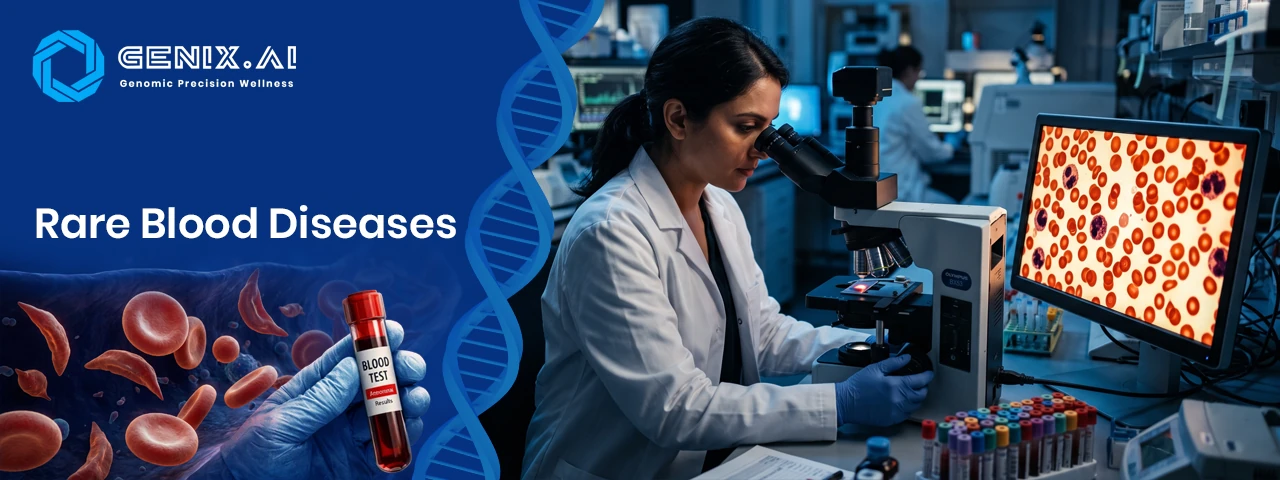
Blood carries oxygen, fights infection and keeps us moving through every ordinary day, so when something goes wrong with it the effects tend to show up everywhere. Most people have heard of common issues like anemia from iron deficiency, but far fewer know about the rare, often inherited blood disorders that quietly affect small numbers of people across the world. This piece walks through ten of them in plain language, what causes each one, how it tends to show up, and why catching these conditions early makes such a real difference.
What Makes a Blood Disorder Rare
A disease usually earns the label rare when it affects a small share of the population, often fewer than one in two thousand people depending on the country and definition used. Rare blood disorders tend to be genetic, meaning they are passed down through families, and many trace back to a single faulty gene that affects how blood cells are made, shaped or able to clot. Because these conditions are uncommon, doctors sometimes take longer to recognize them, and families often go through years of unclear symptoms before getting a firm answer.
Why Genetics Play Such a Big Role
Blood cells are built from instructions coded in our DNA. When even one gene involved in that process carries a mutation, the result can ripple through the entire blood system, affecting oxygen transport, clotting or immune defense. That is part of why genetic testing has become such a useful tool for families with a history of unexplained blood conditions.
Inherited Bleeding Disorders
1. Hemophilia
Hemophilia is probably the most recognized name on this list, and it happens when the blood lacks enough of a specific clotting factor, usually factor VIII or factor IX. People with hemophilia bruise easily and can bleed for longer than expected after even minor injuries. It mostly affects males because the faulty gene sits on the X chromosome, while women are typically carriers.
2. Von Willebrand Disease
Named after the doctor who first described it, von Willebrand disease is actually one of the more common inherited bleeding disorders, though its severe forms remain rare. It stems from a missing or faulty von Willebrand factor, a protein that helps platelets stick together during clotting. Many people live with mild versions for years without realizing anything is off, since symptoms like frequent nosebleeds or heavy periods often get dismissed.
Genetic Anemias That Run in Families
1. Thalassemia
Thalassemia is a group of inherited disorders where the body produces less hemoglobin than it needs, leading to pale skin, fatigue and slow growth in children. Beta thalassemia major, the most severe form, often requires regular blood transfusions from early childhood. It shows up more often in people with ancestry from the Mediterranean, Middle East, South Asia and parts of Africa.
2. Sickle Cell Disease
Sickle cell disease changes the shape of red blood cells from round discs into a curved, sickle like form. These misshapen cells struggle to move through small blood vessels, which can cause intense pain episodes, organ damage and a higher risk of infection over time. It is caused by a single mutation in the gene responsible for hemoglobin and is inherited when a child receives the altered gene from both parents.
3. Fanconi Anemia
Fanconi anemia is a rare inherited condition that damages the bone marrow's ability to produce enough healthy blood cells. Children with this disorder often show physical differences such as short stature or unusual thumb or arm development, alongside a higher lifetime risk of certain cancers. It results from mutations in genes responsible for repairing damaged DNA.
4. Diamond Blackfan Anemia
This rare condition typically appears in infancy and involves the bone marrow failing to make enough red blood cells specifically, while white cells and platelets usually stay normal. Babies with Diamond Blackfan anemia often appear pale and tired, and some also have physical features like a webbed neck or cleft palate. Treatment usually involves steroids or regular transfusions.
5. Hereditary Spherocytosis
In this disorder, red blood cells take on a spherical shape instead of their usual flattened disc form, which makes them fragile and prone to breaking apart too soon. The result is anemia, jaundice and an enlarged spleen. It is caused by defects in proteins that support the red blood cell membrane, and severity can range from barely noticeable to quite serious.
Rare Disorders of Blood Cell Production and Immunity
1. Aplastic Anemia
Aplastic anemia occurs when bone marrow stops producing enough new blood cells altogether, leaving a person short on red cells, white cells and platelets at the same time. This can happen for genetic reasons or develop later from exposure to toxins, certain medications or viral infections. Fatigue, frequent infections and unusual bruising are common early signs.
2. Paroxysmal Nocturnal Hemoglobinuria
Often shortened to PNH, this rare acquired disorder causes red blood cells to break down prematurely, sometimes leading to dark colored urine, especially noticeable in the morning. It stems from a mutation that develops in a person's own blood stem cells rather than being inherited from parents, and it raises the risk of dangerous blood clots.
3. Wiskott Aldrich Syndrome
This is a rare inherited condition affecting both blood and the immune system, marked by low platelet counts, eczema and repeated infections. It almost exclusively affects boys, since the responsible gene sits on the X chromosome. Bruising and unusual bleeding often appear in infancy, well before doctors reach a diagnosis.
Why Early Detection Matters for Rare Blood Disorders
Many of these conditions share vague early symptoms such as tiredness, frequent infections or unexplained bruising, which makes them easy to miss or misattribute to something else. Families often describe years of appointments before finally reaching the right diagnosis. Genetic screening has changed that picture for many people, offering a way to identify inherited blood conditions earlier, sometimes even before symptoms appear, so that care and monitoring can begin sooner.
Conclusion
Rare blood disorders may not make headlines often, but for the families living with them, an early and accurate answer can change everything about how the condition is managed. Genix.ai supports this kind of clarity through its Genix Rare panel, which screens across more than 750 genetic disorders spanning metabolic, neurological and multi system categories, giving families and clinicians a more informed starting point when symptoms do not add up. No DNA test replaces a doctor's diagnosis, but it can shorten the search for answers considerably.
FAQs
1. Are rare blood diseases always inherited?
Most are genetic, but some, like paroxysmal nocturnal hemoglobinuria, develop later in life from acquired mutations rather than inheritance.
2. Can rare blood disorders be cured?
Some, like certain cases treated with bone marrow transplants, can be effectively resolved, while others are managed long term with medication or transfusions.
3. How are these conditions usually diagnosed?
Diagnosis typically involves blood tests, genetic testing and sometimes bone marrow analysis to confirm the underlying cause.
4. Do children with these conditions live normal lives?
Many do, especially with early diagnosis and consistent medical care, though the outlook varies widely by condition and severity.
5. Should I get genetic testing if a rare blood disease runs in my family?
Speaking with a doctor or genetic counselor about testing is worth considering if there is a known family history.